
Since the New Bern Preservation Foundation purchased the six identical historic houses on Pasteur Street in May 2024—affectionately known as the “6 Sisters”—many have asked: Why these houses? What makes them unique and worthy of preservation?
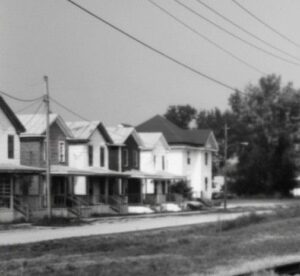
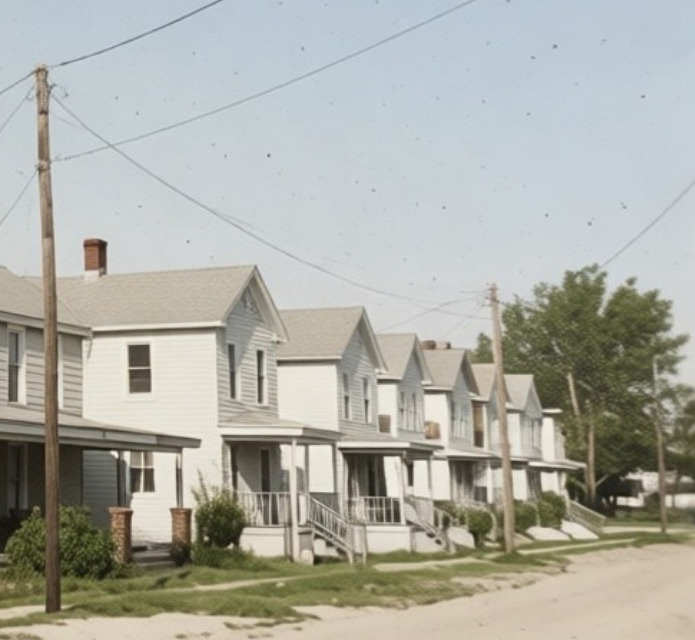
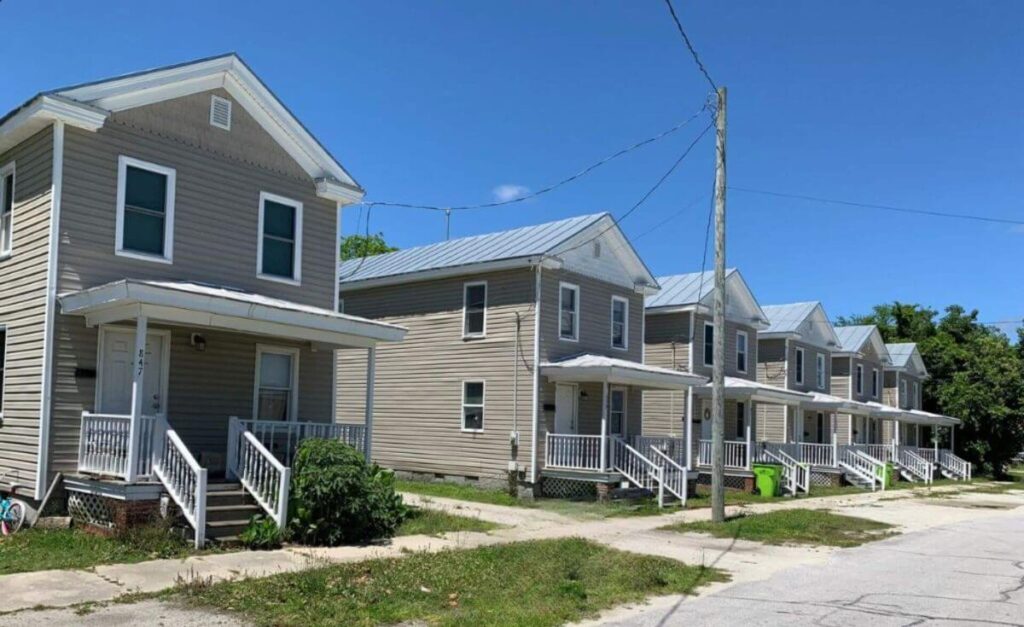
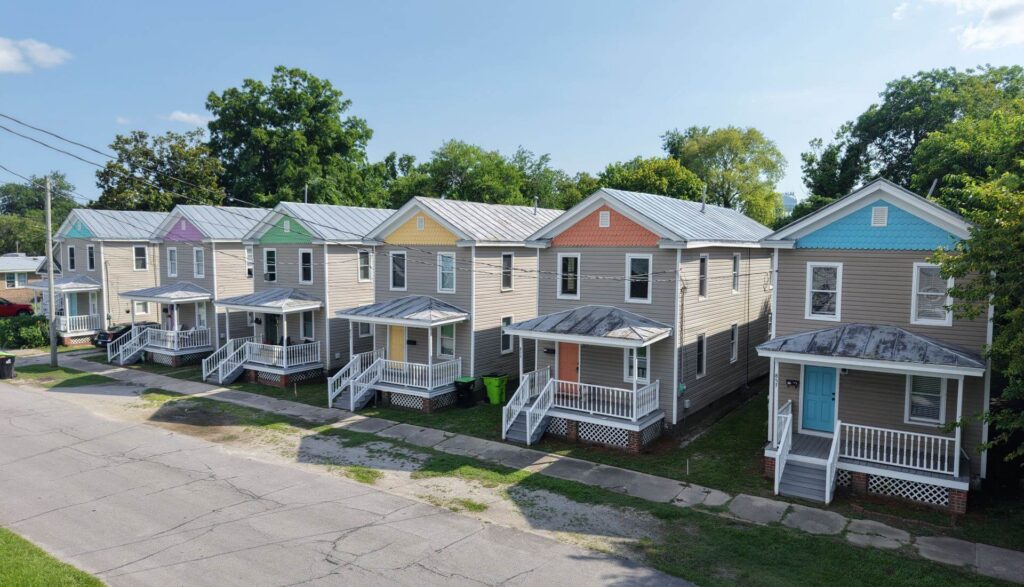
Beyond their value as early 20th-century vernacular Victorian/Arts and Crafts structures, these six homes symbolize the resilience and renewal that followed the 1922 fire and helped shape the preservation movement in New Bern. Here’s why.
Many of you are familiar with the devastating 1922 fire that destroyed 40 blocks of downtown New Bern, reduced more than 600 structures to ash, and left more than 3,000 residents homeless.
Before the fire, the neighborhood was vibrant and bustling, home to restaurants, doctors’ offices, grocery stores, meeting halls, places of worship, and dozens of single-family homes.
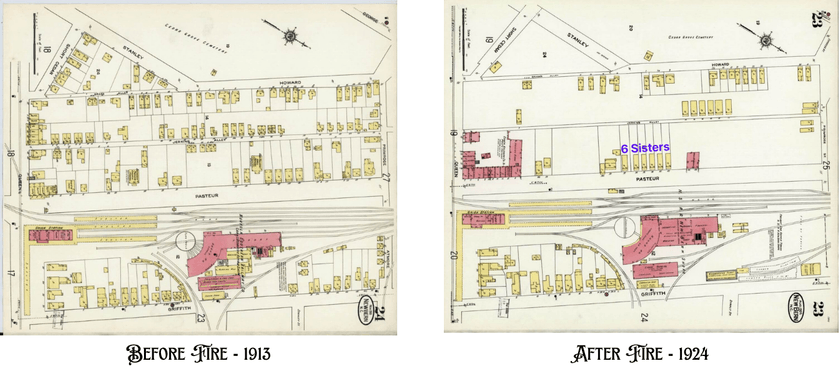
On December 1, 1922, all of this was gone in less than 24 hours, nothing left standing. In the aftermath, an extraordinary community response took shape. The U.S. Army provided hundreds of tents, creating a literal tent city to shelter families through the winter. Within two years, permanent homes and businesses began to rise from the ashes.
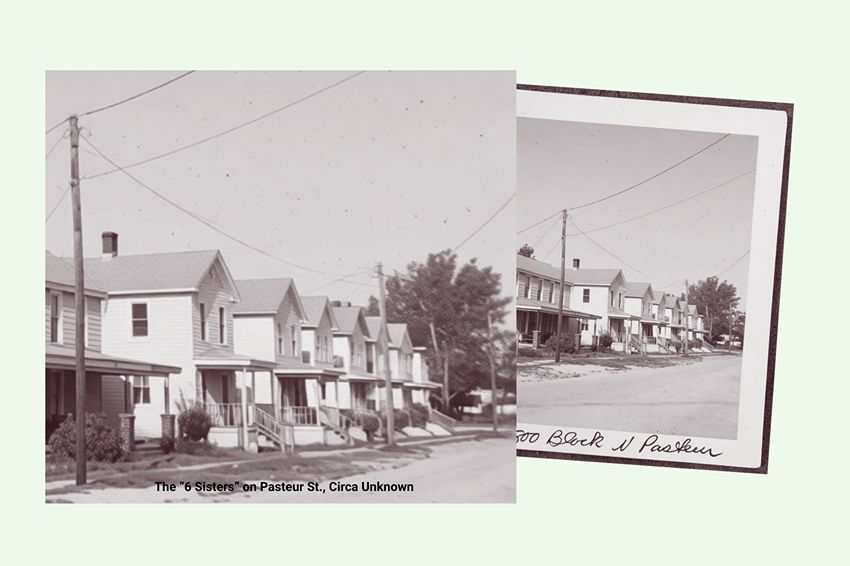
Among the first were these six houses, the “6 Sisters” on Pasteur Street, built by Dr. William Pinnix. At the same time, a citywide preservation effort emerged, led by citizens determined to protect what remained. That movement gave rise to New Bern’s Historical Society and, eventually, the New Bern Preservation Foundation.
In that sense, the 6 Sisters mark where preservation in New Bern began, a lasting symbol of the resilience and determination that have defined this city since its founding.
~ Written by John Barnes
View photos of 847 Pasteur, 855 Pasteur, 857 Pasteur currently for sale.
(6 Sisters featured image drone photo by Ben Lindemann Photography)